Technology democratizes live arts by removing geographic, financial, and physical barriers. Digital platforms and streaming networks allow global audiences to experience live symphonies, international theatre, and cultural programming from home, ensuring cultural access is a universal right rather than a localized privilege.
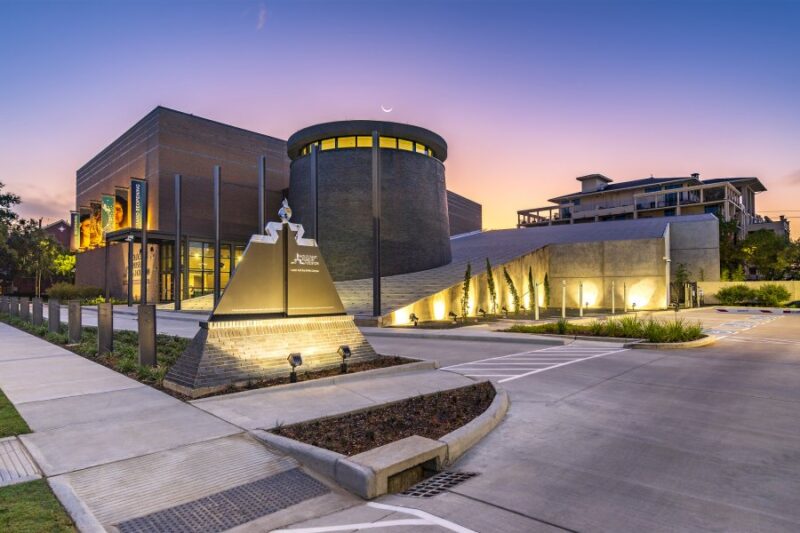
For most of human history, experiencing live arts meant overcoming three distinct barriers. You needed to be physically present in a specific room, financially able to secure a seat, and geographically close enough to make the trip. A symphony performance in Houston was only ever heard by the people sitting inside the concert hall.
The invention of audio and video recordings changed that dynamic, but only partially. Recordings offered access after the fact, and only to those who could afford to purchase the record or the ticket. The fundamental inequality of cultural access has operated as one of the quiet injustices of the arts world for centuries, locking millions of people out of the cultural conversation.
Technology did not create this problem, but modern digital platforms are finally beginning to solve it. By shifting the focus from physical attendance to digital accessibility, organizations are dismantling the barriers that have historically kept audiences away.
What did livestreaming do to the traditional concert hall experience?
The River Oaks Chamber Orchestra (ROCO) provides a perfect example of this shift. ROCO has been livestreaming its performances free to the world since 2013. That single decision fundamentally altered the organization’s reach. A Houston performance suddenly became accessible to a listener in rural Texas, a student in Montreal, and a classical music fan in Tokyo.
These digital audiences represent a demographic that likely never would have walked through the physical doors of a traditional concert hall. The data generated by these digital viewers completely changed what arts organizations understood about who actually wants access to serious music.
Alongside this geographic expansion, ROCO implemented a Pay-What-You-Wish model. This created a financial parallel to livestreaming. By removing the cost barrier alongside the geographic one, the organization proved that a massive, untapped audience exists for classical music when access is democratized.
How has digital access changed broader live entertainment expectations?
Classical music organizations like ROCO were early adopters, but the broader entertainment world quickly followed the same logic. Sports, theatre, international cultural events, and news broadcasts have all moved heavily toward on-demand and live digital access.
This transition has triggered a massive shift in consumer expectations. Audiences today expect to access the exact content they want, exactly when they want it, across whatever device they happen to be holding.
This shift has significantly benefited communities that traditional broadcast and cable infrastructure always underserved. Digital access bypasses the gatekeepers of conventional television, allowing niche programming and specialized live events to reach their specific audiences directly, regardless of where those audience members live.
What do international arts audiences actually want to access?
Houston stands as one of the most culturally diverse cities in the United States. The ROCO audience reflects that reality perfectly, featuring musicians and guest artists from around the world and an audience with roots spanning dozens of countries.
International arts lovers living in Houston want to access performances from their home countries. They want classical music broadcast in their native languages, alongside cultural programming that connects them directly to their heritage. Standard American cable providers have never adequately served this specific audience.
Canadian arts audiences in Houston experience a distinct content gap. Programming like CBC Arts, Canadian classical music broadcasts, and Francophone cultural content remains unavailable through conventional US television providers. Accessing this content through a reliable iptv canada provider means Canadian cultural programming becomes available on any device anywhere in the United States. This represents the exact same democratization of access that ROCO’s livestreaming mission champions, applied to the full spectrum of international arts and cultural content.
How does technology support disabled and neurodivergent arts audiences?
Physical accessibility to traditional concert halls has always been uneven. For audience members dealing with mobility limitations, chronic illness, or specific sensory processing needs, digital access functions as something far more important than a mere convenience. It is their primary means of participation.
ROCO’s specific accessibility commitments and robust digital presence serve this community directly. Technology makes true participation possible for everyone. Features like closed captions, detailed audio descriptions, and device-flexible streaming mean that an audience member can customize their viewing experience to match their specific physical and cognitive needs.
How can rural and remote audiences experience professional arts programming?
Classical music organizations are heavily concentrated in major metropolitan cities. However, the audience for serious music is not bound by city limits. This audience exists in rural Texas, in small Canadian towns, and in remote communities that have never had a professional orchestra operating within driving distance.
Digital access gives these audiences a connection that no amount of physical touring or educational outreach could ever fully replicate.
For remote Canadian communities, the specific value of digital broadcasting is immense. Securing access to Canadian arts programming, live classical music broadcasts, and diverse cultural content through an iptv service covers the massive gap that geography created. Traditional broadcasting never filled this void, but modern streaming infrastructure ensures these remote communities remain connected to the broader cultural conversation.
What does the next generation of classical music audiences look like?
The audiences being built right now through digital access are the guaranteed ticket buyers and arts patrons of the next decade. ROCO’s digital-first approach to cultivating a new generation of classical music listeners directly mirrors what streaming platforms have done for every other art form.
International content access plays a massive role in building cross-cultural arts literacy. A listener who grows up watching Canadian arts programming, international classical performances, and culturally diverse entertainment develops a much broader aesthetic sensibility.
Arts organizations must learn from the streaming world’s proactive approach to audience development. Building an audience today requires meeting them on the digital platforms they already use, rather than waiting for them to walk into a concert hall.
Why is device flexibility crucial for modern arts consumption?
The delivery method for live arts has followed a steady progression: from the physical concert hall, to radio, to television, to DVD, to streaming, and now to mobile devices. Every single shift expanded the total audience for serious arts without diminishing the power of the live experience.
The current reality is highly flexible. The exact same performance is now accessible on a 4K home screen, a tablet during a morning commute, or a phone inside a hospital room.
This flexibility is categorically good for arts organizations and their underlying missions. It represents an extension of the live experience rather than a threat to it. For audiences who supplement their live attendance with home streaming—whether they are following ROCO’s extensive video library or accessing international arts content through iptv canada across any device they own—the concert hall experience and the home experience are now genuinely complementary.
What does ROCO’s digital strategy teach other arts organizations?
ROCO is not just a Houston orchestra. The organization represents a living argument about what modern arts access can and should look like.
By utilizing free global livestreaming, Pay-What-You-Wish ticketing structures, and QR codes placed strategically in public parks and hospitals, ROCO makes every operational decision in service of expanding who gets to participate. The technology that ROCO has embraced since 2013 is the exact same technology currently reshaping access to arts and entertainment on a global scale.
The orchestra that decided its audience was not limited to whoever could afford a physical ticket to a Houston venue turns out to have been entirely right about the future of arts access.
Expanding the reach of the arts
Ultimately, we must come back to the fundamental access problem. The listener in rural Texas, the Canadian arts fan living in Houston, and the audience member who physically cannot leave their house all deserve access to the arts.
Technology did not make serious music or live theatre inherently better. It simply made those art forms reachable. When we evaluate the digital transformation of the arts world, we should focus on that expanded reach, rather than just the tools that made it happen.
Frequently Asked Questions (FAQ)
What is the most effective way for arts organizations to reach new audiences?
Arts organizations should implement free or low-cost digital livestreaming to bypass geographic and financial barriers. Choose digital platforms if your primary goal is reaching younger, international, or mobility-impaired audiences who cannot attend physical venues.
Why is digital accessibility important for disabled arts patrons?
Digital accessibility provides customizable viewing environments—including closed captions and audio descriptions—that allow patrons with chronic illnesses, mobility issues, or sensory processing needs to experience live arts safely and comfortably from home.
Can streaming technology replace the live concert hall experience?
No. Streaming technology acts as a complementary extension of the live experience rather than a direct replacement. It allows patrons to supplement their physical attendance with on-demand digital content, building deeper engagement with the arts organization.
How do international audiences access culturally specific arts programming abroad?
International audiences frequently rely on digital streaming platforms and IPTV services to bypass traditional cable restrictions. This technology allows expatriates to access native-language classical music, regional theatre, and specific cultural broadcasting from their home countries.